
How to Look Up Morris County Jail Population Data
County jail population data is published differently from a name roster. It lives in budget documents, jail annual reports, state inspection reports, and national research datasets, not in a live county dashboard. The official Morris County pages reviewed do not post a real-time population counter, so the most reliable figures come from high-authority sources that track jails over time.
Three kinds of sources carry useful numbers. National datasets from the Bureau of Justice Statistics report jail rates and pretrial proportions. Research groups such as the Vera Institute and the Prison Policy Initiative compile county and state context. County budget and commissioner materials may show staffing and jail appropriations. Each updates on its own schedule, often yearly, so the data describes a period rather than a single moment.
To read any of these, check the date first, then note whether a figure is county, state, or national before drawing a conclusion.
Morris County Jail Capacity Overview
Capacity is the rated number of beds a facility is built to hold. The county jail is the Morris County Correctional Facility in Morristown. A current official rated capacity and average daily population were not located in the official county pages reviewed, so older third-party numbers should not be reused without confirmation.
| Facility | Rated Capacity | Average Daily Population |
|---|---|---|
| Morris County Correctional Facility, 43 John Street, Morristown | Not located in current official pages | Not located in current official pages |
For a confirmed capacity figure, a county budget, a jail annual report, or a state inspection report is the right source. Facility contact and basics sit on the inmate records page.
Average Daily Population
Average daily population, or ADP, is the average number of people held over a period. It smooths out the daily swings caused by new bookings and releases. ADP is the figure analysts compare against rated capacity to judge crowding.
A specific current ADP for the Morris County jail was not located in the official sources reviewed. When a confirmed figure is available from a county report or a state dataset, compare it to rated capacity, and compare bookings to releases, to see whether the count is rising or falling. A backlog in court or a delay in transfers to state prison can temporarily inflate a county jail count.
Demographic Breakdown
A demographic breakdown sorts the population by categories such as sex, age range, and race or ethnicity. Facilities classify housing by sex and security needs. County-specific demographic counts for the Morris County jail were not located in the official pages reviewed, so any breakdown should be drawn from a dated county report or a state and national dataset and labeled as such.
National and state datasets do publish demographic context for jails. They are useful for understanding general patterns, but a national pattern is not a Morris County count. The honest approach is to mark clearly whether a number describes this county or a wider population.
Pretrial Versus Sentenced Population
This split matters more than the headline count. Many people in a county jail have not been convicted. They are pretrial detainees, awaiting a first appearance, a detention hearing, a plea, or a trial. Others are sentenced inmates serving short county terms. The two groups follow different rules.
| Group | Status | Why They Are Held |
|---|---|---|
| Pretrial detainees | Not convicted | Detained after a risk-based decision or held on conditions |
| Sentenced inmates | Convicted | Serving a short county sentence |
| Technical violators | Varies | Held on probation, parole, or condition violations |
New Jersey's Criminal Justice Reform reduced reliance on cash bail and shifted to risk-based release, which reshaped county jail populations statewide. Pretrial detention questions connect to the inmate records page.
Offense Level in the Jail Population
New Jersey does not use the words misdemeanor and felony the way some states do. The state classifies serious crimes as indictable offenses, handled in Superior Court, and less serious matters as disorderly persons offenses, often handled in Municipal Court. A county jail population includes people tied to both, plus people held on warrants or detainers.
Because charge level affects where a case is heard and how long custody may last, a population that leans toward serious indictable charges behaves differently from one weighted toward lower-level holds. Charge and court detail sit on the arrest records and Superior Court pages.
Mental Health and Medical Population
Jails hold many people with mental-health and medical needs, but those counts are not broken out in public detail. Facilities house people based on medical, mental-health, suicide-watch, and protective-custody needs, and those classifications are private for safety and health reasons.
So a public population figure will not tell you how many people are in medical or mental-health housing. What can be said is that screening at booking and ongoing care are part of facility operations, and that sensitive health information is protected. Treatment-court options are described on the home page's specialty-courts overview.
National and State Context
National and state research gives the best frame for a county jail count. The Bureau of Justice Statistics publishes national jail-inmate reports and annual jail surveys, including pretrial proportions and incarceration rates. These reports explain how a typical county jail population is structured.
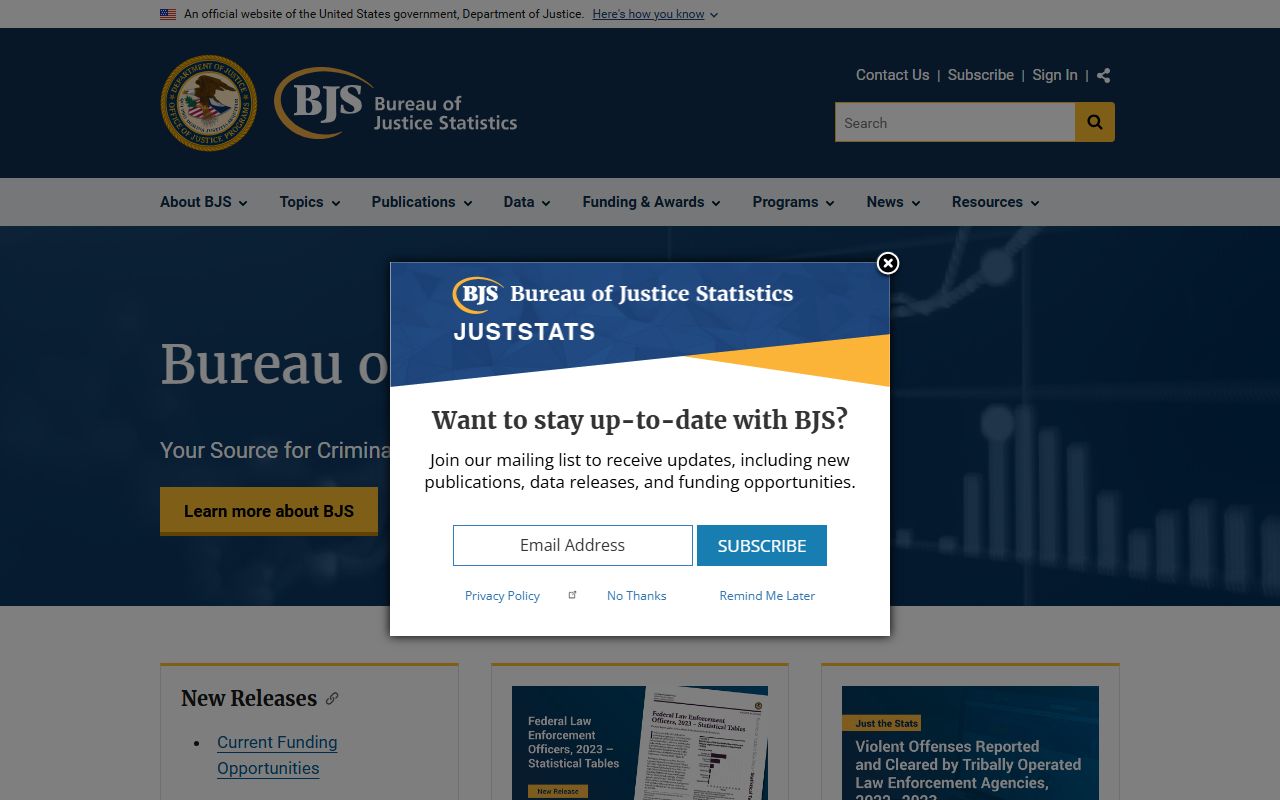
State context comes from groups like the Prison Policy Initiative, whose New Jersey profile covers prison, jail, probation, and parole scale. Its profile sits at prisonpolicy.org.
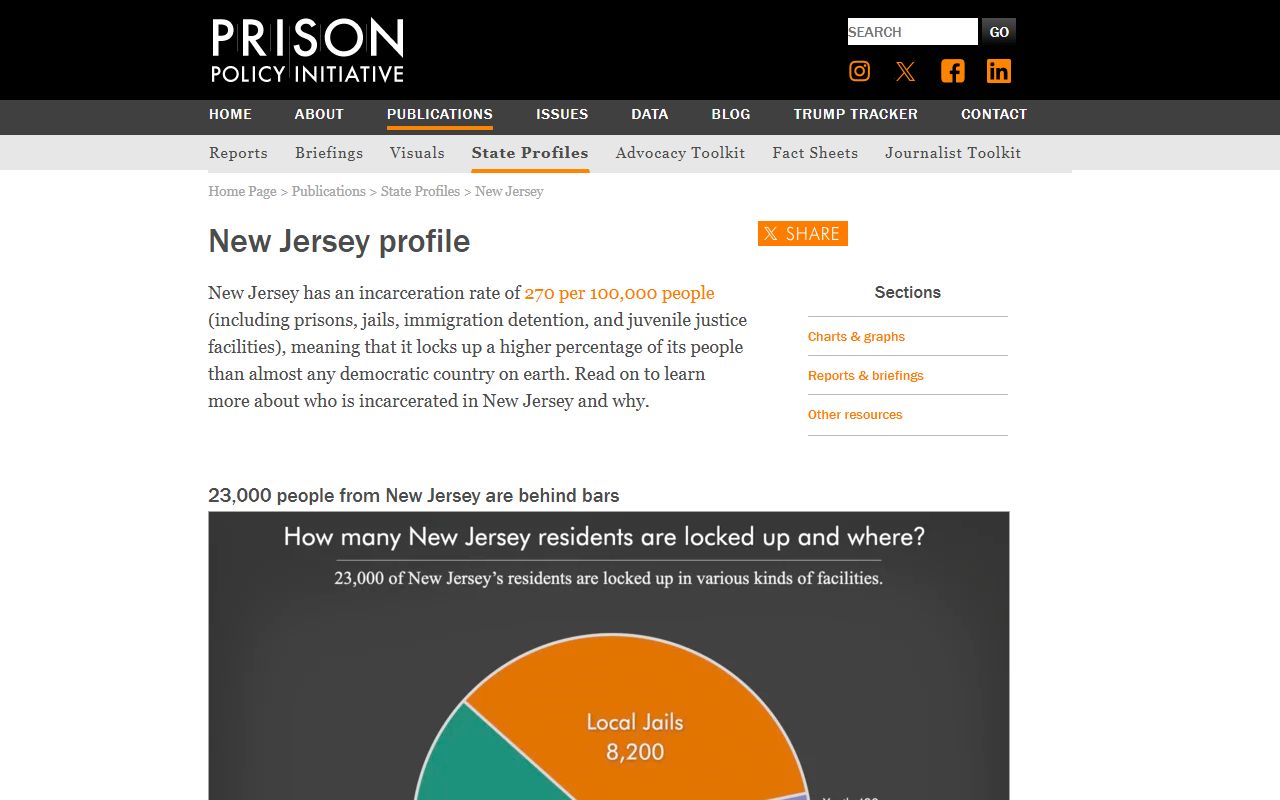
Treat these as research context, not a live Morris County roster, and always note the year of the data.
Population Trends Over Time
New Jersey county jail populations generally fell sharply during the COVID-19 period, then stabilized or partly rebounded as courts resumed ordinary operations. A precise five-year Morris County trend should come from Vera, the Bureau of Justice Statistics, a state inspection report, or a county budget table rather than an estimate.
To read a trend, compare average daily population to rated capacity across years, separate pretrial from sentenced inmates, and watch whether court backlogs or transfer delays are temporarily padding the count. A single year rarely tells the whole story.
Searching for Morris County Inmate Records by Name
Population data is not a name search. To check whether a specific person is in custody, use the name-based tools on the inmate records page, including the facility contact and VINELink, and the released inmates page to confirm a release. Population figures count people; they do not identify them.
Where the Data Comes From
Reliable Morris County jail population figures trace back to a short list of official and high-authority sources. Each serves a different purpose.
- Bureau of Justice Statistics for national jail rates and pretrial proportions.
- Vera Institute incarceration trends for county-level historical jail data where available.
- Prison Policy Initiative for New Jersey state context.
- County budgets and commissioner materials for staffing and jail appropriations.
- New Jersey Department of Corrections for sentenced state-prison numbers by county of commitment.
When these sources disagree, the date and the definition usually explain why, so read both before comparing figures.
Cost and Staffing Behind the Numbers
Population is only part of the picture. Running a county jail also involves staffing, medical and food-service contracts, and capital costs. A current per-inmate daily cost and a correctional-officer ratio for the Morris County jail were not located in the official jail pages reviewed.
County budget documents are the place to look for the money side. They may list correctional salaries, operating lines, medical and food-service contracts, and capital projects, even when they do not state a clean per-inmate figure. Reading the budget alongside a population report gives a fuller sense of how the facility is funded and how crowding pressures translate into cost. As with the population counts, use the dated official budget rather than an old estimate.