
How to Search Morris County Court Records
The starting point is the New Jersey Courts Find a Case hub. From there you pick the tool that fits the case. Civil Case Public Access covers civil, special civil, foreclosure, and general equity matters. Criminal Cases Public Access covers Superior Court criminal cases. Judgment Search covers docketed money judgments. Traffic tickets and local complaints use NJMCdirect or the municipal court. Probate goes through the Morris County Surrogate.
Before you start, gather what you have. The full docket number speeds things up most. If you only have names, use exact spelling, then add the county and a date range to narrow common surnames.
- Decide the case type. Civil, criminal, family, probate, and municipal records live in separate systems.
- Open the Find a Case hub and select the matching public-access tool.
- Accept the disclaimer. The portal states that sealed, expunged, and confidential records do not display.
- Search by docket number, or by party name plus county and a filing-date range.
- Open the case jacket to read docket entries, parties, attorneys, and any public documents.
- Request a certified copy from the court when you need an official version for legal use.
The Civil Case Public Access portal is the most-used tool for lawsuits and foreclosures. The official entry page, at portal.njcourts.gov, opens with the access disclaimer before the search screen.
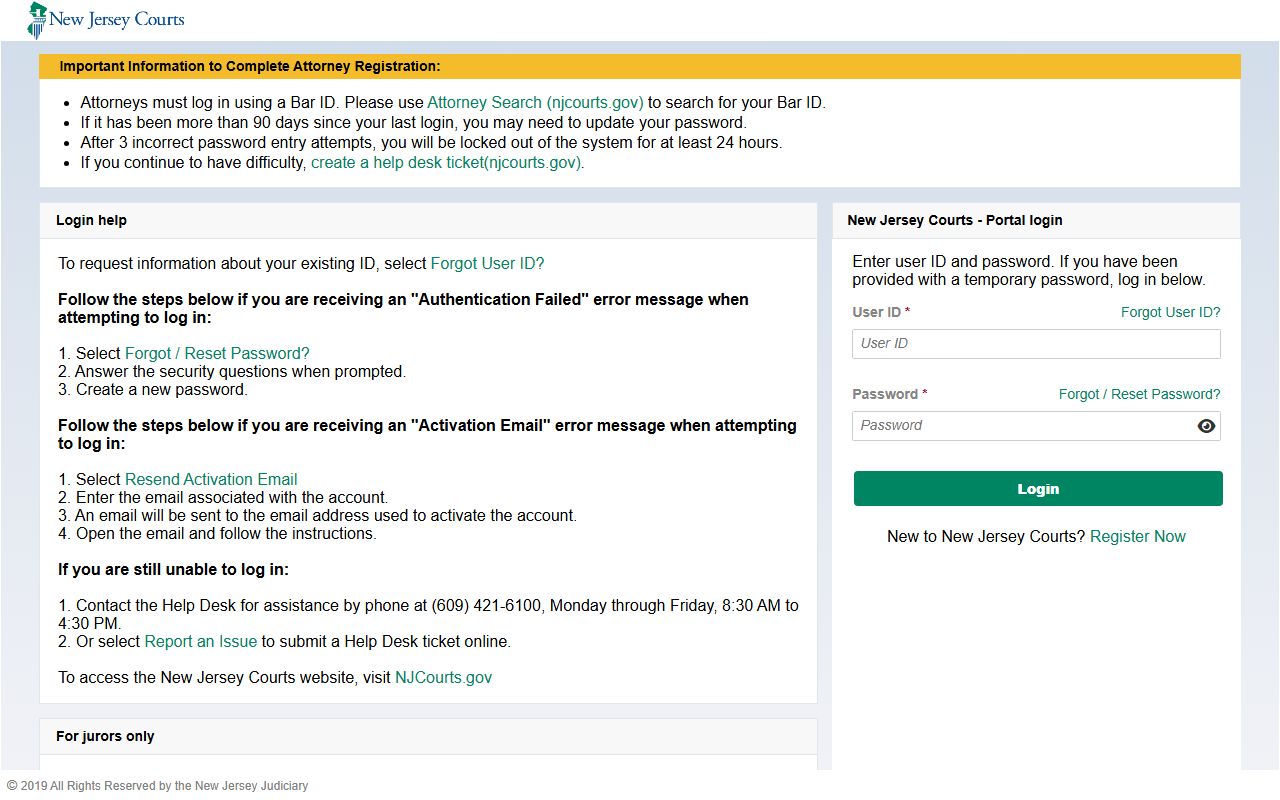
You accept the terms first, then reach the fields that run the search.
Morris County Court Records Search Fields
The civil portal gives you several ways in. You can search by docket number, by party, by attorney, or by case type and date. Picking Morris as the county keeps the results local. Below are the common fields and how to use them.
| Field Label | Type | Required | Notes / Format |
|---|---|---|---|
| County | Dropdown | Recommended | Select Morris for county cases; statewide search may be offered |
| Docket Number | Text | No | Use the full number with prefix and year if known |
| Party Name | Text | No | Person or business; exact spelling improves results |
| Attorney Name / Bar ID | Text | No | Search by attorney when known |
| Case Type | Dropdown | No | Civil Law, Special Civil, Foreclosure, General Equity |
| Filing Date From / To | Date | No | MM/DD/YYYY range to narrow results |
Criminal, judgment, and municipal tools use similar field sets, but each adds its own identifiers, such as indictment number or ticket number.
Types of Morris County Court Records
Court records in Morris County fall into a few case families. Civil and criminal files sit in the Superior Court. Family matters sit in the Family Division, with heavy confidentiality. Probate runs through the Surrogate, and traffic runs through Municipal Court. Which court produced the record decides how you reach it.
The records people request most often include:
- Civil files such as contract, injury, collection, landlord-tenant, and foreclosure cases.
- Criminal files for indictable offenses, covered in more depth on the arrest records page.
- Family and divorce files, many of them confidential. See marriage and divorce records.
- Probate files through the Surrogate's Court.
- Money judgments and liens, searchable through Judgment Search.
Docket details for active matters appear on the court dockets page.
What Morris County Court Records Show
A case file is organized around a fixed set of fields. The header names the case and the venue. The body tracks each filing and event. The disposition reports the outcome. Once you know the layout, even a long docket reads quickly.
| Field | What It Shows |
|---|---|
| Docket Number | Division prefix, sequence, and year |
| Filing Date | Date the complaint or charge was filed |
| Parties | Plaintiff, defendant, petitioner, or respondent |
| Disposition | Dismissal, judgment, plea, or settlement |
A full civil case jacket goes deeper. A public jacket usually includes these items:
- Header with docket number, venue, caption, case type, filing date, and status.
- Court and assigned judge, shown as Superior Court of New Jersey, Morris County, Vicinage 10.
- Parties and their attorneys, with firm and represented party.
- Docket entries such as complaint, answer, motion, order, and judgment.
- Documents, where some entries link to a viewable file and others are view-only or by request.
- Hearing data, including event date, type, and courtroom or virtual status.
Redactions apply throughout. Personal identifiers, account numbers, minor identities, and sealed documents are withheld under Rule 1:38.
Public Access Framework for Morris County Court Records
New Jersey separates court records from other government records. Court case files are governed mainly by New Jersey Court Rule 1:38, which sets what is open, what is excluded, and how a record gets sealed. County department records follow the Open Public Records Act, or OPRA, under N.J.S.A. 47:1A-1. The difference decides where your request goes.
The two systems are easy to confuse, so a quick comparison helps:
| Point | Rule 1:38 (Court Records) | OPRA (County Records) |
|---|---|---|
| Covers | Superior, Municipal, and Tax Court case files | County executive department records |
| Request goes to | NJ Courts / court division | County OPRA custodian |
| Main limits | Sealed, family, juvenile, expunged records | Privacy, safety, and statutory exemptions |
Note: An OPRA request to the county is not the normal route to a Superior Court complaint or a divorce judgment; use the judiciary records process instead.
Records That Are Sealed or Confidential in Morris County
Several record types are closed by default. Juvenile delinquency files are confidential. Adoption records are sealed. Domestic violence records are protected for victim safety. Mental-health and civil-commitment files keep medical details private. Expunged cases are pulled from ordinary public access, and grand jury materials are not public unless disclosed through an indictment.
To view a sealed record, a person normally files a motion that states the need and the harm from disclosure. A judge weighs the request against the public-access interest. Expungement is its own court process; once granted, the case should stop showing in public portals and standard criminal-history checks. The arrest records page covers expungement steps in more detail.
In-Person and Certified Court Record Requests
A printout from a public portal is not certified. For an official copy, request certification from the court that holds the record, or use the NJ Courts records-request process. Bring the case number, the parties' names, the approximate year, and the exact documents you need. Family and other sensitive files may require eligibility or a court order.
Morris County Courthouse
56 Washington Street
Morristown, NJ 07960
Vicinage 10 (Morris/Sussex)
Court hours vary by division
Money judgments are searched through Judgment Search before a certified copy is requested. The official tool, at portal.njcourts.gov, returns debtor, creditor, docket, and date-entered details.
Use the docket number from that search when you ask the court for a certified judgment.
Older and Archived Morris County Court Records
Not every Morris County court record is online. The public portals are strongest for recent and active cases. Older civil and criminal files may live only on paper or microfilm, and reaching them can take a staff search or an archive pull. For those, the court records office for Vicinage 10 is the right first call.
For historical research, the New Jersey State Archives county records guide explains which old court, county, and probate records the state holds. Genealogists often find older estate and county files there rather than in the live case portals. Recorded land documents follow a separate path through the Morris County Clerk, while probate files trace back to the Surrogate's Court.
When you request an old file, give the office as much detail as you can: names, the approximate year, the case type, and any docket or book and page reference. The more you narrow it, the faster the search.